Varicose vein treatment closes or removes swollen, twisted leg veins, easing the aching and heaviness as well as their appearance. Varicose veins are enlarged vessels that most often appear on the thighs, calves or inner leg, and can cause itching, throbbing and a feeling of heavy legs. Options range from an injected sclerosant to catheter-based laser or radiofrequency ablation, with surgical ligation reserved for larger veins.
Which approach suits you depends on the size and depth of the veins, whether they are causing symptoms, and your general vascular health. Smaller surface vessels are a different problem and are usually handled as spider vein treatment, which uses finer injections or a surface laser. Most treatments are done in clinic with little downtime, though surgical options need a longer recovery and results vary between patients. A consultation with a qualified vein specialist is the way to confirm which option fits, and Beautifi can help you compare providers and financing.


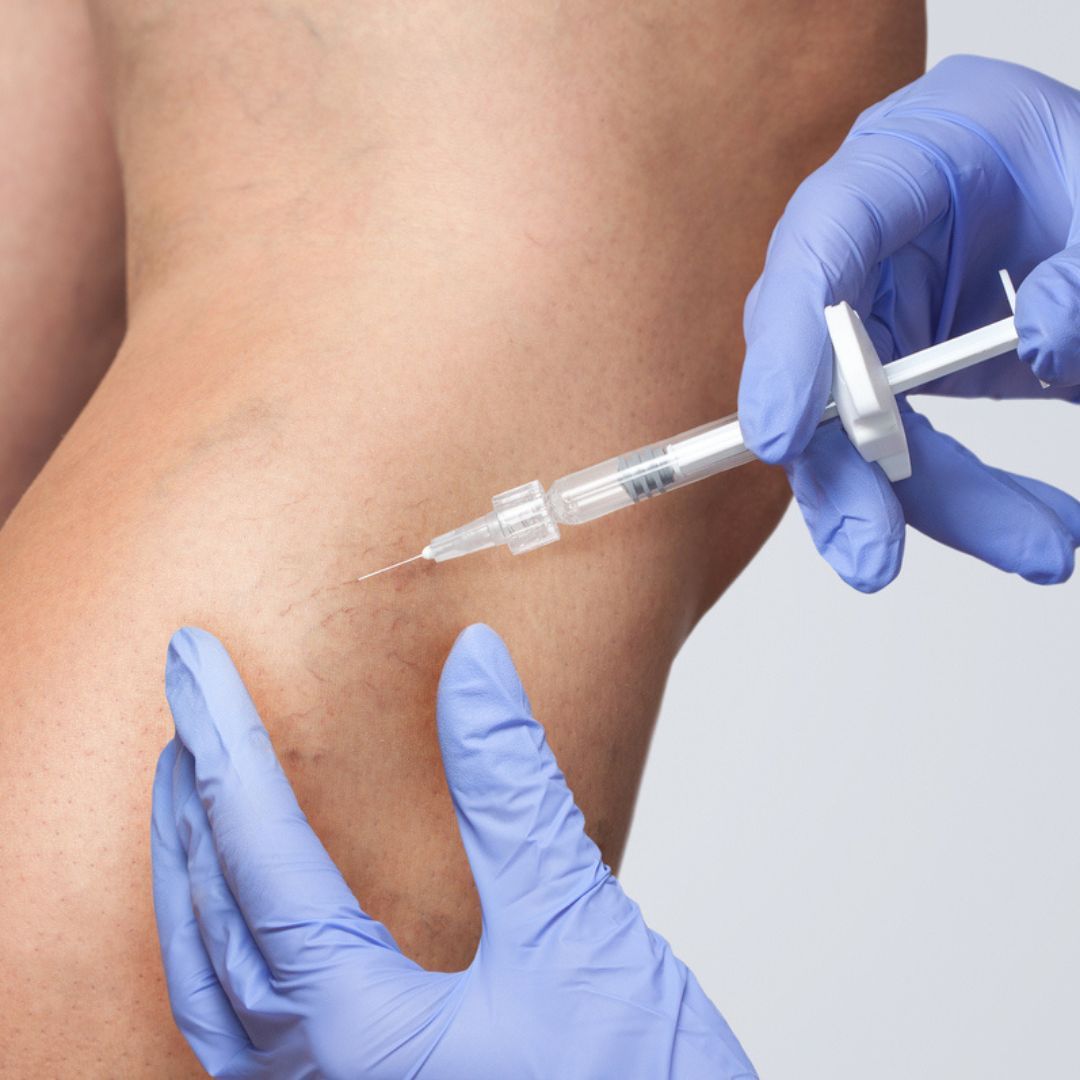


Varicose vein treatment removes the veins for cosmetic reasons as well as to relieve pain and discomfort caused by the veins. Varicose veins can develop for a variety of reasons, including weakened blood vessel valves, pregnancy, advanced age, and weight fluctuations. Patients can get rid of varicose veins using minimally invasive techniques and surgery, resulting in an overall better appearance of the treated area.
Candidates for varicose vein treatment are healthy individuals who have a cosmetic concern or who experience pain or discomfort in their varicose veins. Ideal candidates are typically nonsmokers, not currently pregnant or breastfeeding, and have realistic expectations & a positive outlook.
There are a few treatment options for varicose veins. Among the treatments available are, but not limited to:
Sclerotherapy – Sclerotherapy is a non-invasive, safe, and effective varicose vein treatment. During the treatment, a solution will be injected into each of the affected veins, gradually causing them to collapse and fade away. The vein is reabsorbed by the body and is no longer visible through the skin.
Laser Treatment (Endovenous Laser Treatment) – Laser treatment on varicose veins safely obliterates the vein by delivering bursts of high-intensity light, closing the vein, and causing it to fade away without harming the surrounding skin.
Surgery – If varicose veins are large, they may need to be surgically removed. This procedure is done under general anesthetic and involves two incisions. The first incision is made near the groin, at the top of the target vein, and the second is made further down the leg. The top of the vein will be tied up and sealed, and a thin, flexible thread is inserted through the bottom of the vein and pulled out, taking the vein with it.Thread veins on the face are a different problem and are usually treated with light-based methods rather than the sclerotherapy and ablation used on legs. Rosacea and redness treatment covers the options used there.
Varicose vein treatments can take anywhere from fifteen minutes to over an hour, depending on the procedure, the number of veins that need to be removed, and the complexity of the treatment.
Non-surgical varicose vein treatment causes minimal side effects and is typically very effective. After treatment, patients can expect some redness, bruising, or skin discoloration in the area treated. Swelling, along with discomfort, may also occur but should subside after several days. It is often recommended to wear compression bandages or stockings to enhance healing and help prevent & delay recurrence. Most patients can return to their typical daily routine within a few days, but it is recommended to refrain from strenuous activities or prolonged periods of sitting or standing, for a least a week.
For varicose vein’s requiring surgery, patients typically require one to three weeks to recover, and compression stockings are worn during this time. After treatment, moderate bruising and pain occur, but generally subside after a few weeks.
Varicose vein treatment results vary from patient to patient. Patients typically notice a gradual visual improvement after two to three weeks, and once the veins are completely healed, patients notice an improvement in the overall appearance of the treated area. Your preferred physician may recommend follow-up treatments spaced a few weeks apart for optimal results.
Varicose vein treatments are highly effective in removing unwanted veins and relieving associated pain symptoms; however, there is a chance that varicose veins will reoccur.
The cost of varicose vein treatment depends on each individual’s specific needs, conditions, the number of treatments, and the method required to achieve the desired result. In Canada, the cost of varicose vein treatment ranges from $350 to $5,000 per treatment.
Varicose vein treatment is low risk in experienced hands, but it is a medical procedure and the common effects are worth expecting rather than being surprised by. After sclerotherapy, brown staining along the treated vein and a blush of tiny new vessels near the injection site are the two most frequent complaints, and both usually fade over several months. Bruising, tenderness and a firm cord along the vein are normal for a few weeks after either injection or heat-based ablation. Less common risks include inflammation of the vein, temporary numbness where a nerve runs close to the treated segment and, rarely, a clot in a deeper vein, which is why walking soon afterwards and wearing compression stockings as directed both matter. Tell your provider if you have had a previous clot, are pregnant, or take hormonal medication, since each of these changes the assessment.
45/55 people who have undergone sclerotherapy have rated the procedure “Worth It” (82%)
Source – Realself.com
 English English
 French


