Hair loss and thinning are extremely common, but sudden or accelerating hair loss can be a major concern for both men and women. Hair loss can be caused by a variety of factors, including genetics, stress, medications, or hormonal changes. Individuals seeking to slow or stop the progression of thinning hair, conceal the appearance of a receded hairline or sparsely covered crown, or who are hesitant to undergo surgical procedures may benefit from non-surgical hair loss treatments that result in hair growth rejuvenation.
Options range from topical and oral medication to platelet-rich plasma injections and low-level laser therapy, and many providers combine more than one to address the cause rather than only the appearance. Results build gradually over months rather than weeks, most treatments need to continue to hold the gains, and cost depends on the specific protocol and how many sessions are involved. Anyone noticing sudden or accelerating hair loss, or weighing a hair transplant, should start with a consultation with a qualified clinician, and Beautifi can help connect patients with vetted providers and flexible financing options.


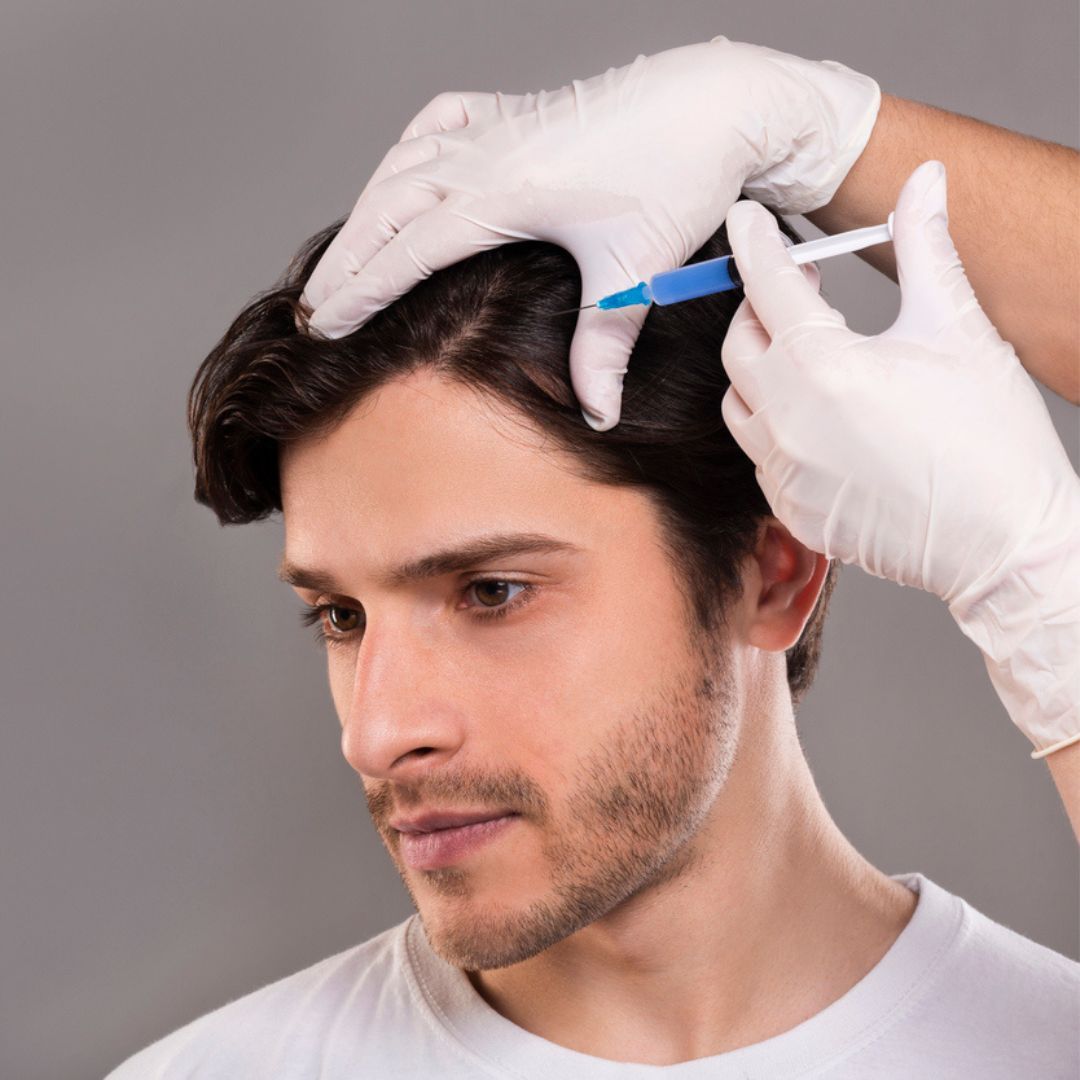


Hair loss treatments are non-surgical, non-invasive techniques and technologies that produce thicker, more natural-looking hair without the need for hair transplant surgery. Treatments for hair restoration may include a combination of techniques such as low-level laser therapy, topical minoxidil and growth stimulators, as well as topical nutrient-based shampoo, among others. Hair loss treatments have been proven to be effective for patients with mild thinning hair.
For many individuals, non-surgical hair loss treatments are the best way to regain a full head of hair. Regardless of the cause or stage of your hair loss, whether mild or severe, a custom non-surgical hair replacement treatment may be a good option as it is non-invasive and has little downtime. Candidates for hair loss treatment may also include those who:
Have tried topical hair loss treatments with no success
Desire to conceal extensive baldness where hair transplant is not an option
Experience hair loss due to alopecia areata
Platelet-Rich Plasma (PRP) – Platelet-Rich Plasma, or PRP, is a high concentration of platelets contained in a small volume of plasma derived from your own blood. The use of your own plasma helps to reverse the aging process by releasing various growth factors, stimulating tissue regeneration, and allowing for the formation of new blood vessels. This stimulates the activity of hair follicles, promoting the growth of stronger, healthier hair. PRP can also improve hair density, making individual hairs thicker.
Minoxidil/ Rogaine Solution – This topical solution treatment aids those suffering from male or female pattern hair loss, such as androgenetic alopecia or genetic hair loss. By causing blood vessels in the scalp to dilate, the Minoxidil/ Rogaine solution increases blood flow to the scalp, promoting hair growth. As a result, hair follicles that are in the dormant (telogen) phase are stimulated to enter the active (anagen) phase of growth.
Low-Level Laser Therapy – Low-level laser therapy has been shown to be an effective hair loss treatment and prevention method. This treatment uses the low-level lasers from the BIOLIGHT Medical Hair Therapy cap to energize hair follicles and stimulate new natural hair growth. These lasers have been clinically proven to slow the progression of hair loss and renew the hair follicle for thicker, healthier hair.
Since hair loss treatments are non-invasive, there is little to no downtime following each appointment. It is critical to follow the treatment plan and recommendations after each treatment discussed with your healthcare provider.
Hair loss treatment outcomes will vary depending on the preferred treatment and the number of treatments required. Treatment durations are typically six months or longer, with ongoing maintenance treatments to maintain results. Patients will have denser, thicker hair once they have finished the number of treatments recommended by their preferred provider.
There are few to no risks or side effects associated with hair loss treatments. Aside from the possibility of a rare allergic reaction and swelling and/or bruising following treatments, there is a low risk of any other medical problem.
The cost of hair loss treatment varies depending on the patient and the treatment chosen. In Canada, the cost of hair loss treatments ranges from $750 to $3,000.
Yes. Female pattern hair loss is common and responds to many of the same treatments, though dosing and drug choice often differ from what is prescribed to men. Because hair loss in women can also be driven by thyroid problems, iron deficiency, or hormonal changes, a clinician will usually order bloodwork before starting treatment.
In most cases, yes. Topical and oral medications hold hair in place while you keep taking them, and thinning usually resumes within several months of stopping. Platelet-rich plasma and laser therapy are typically maintained with periodic top-up sessions rather than daily use.
They often are. A transplant moves existing hair rather than stopping ongoing loss, so many surgeons ask patients to stay on medical treatment afterward to protect the hair that was not transplanted.
Very little. Most people return to normal activities the same day, with some scalp tenderness or redness for a day or two after platelet-rich plasma. Providers usually ask you to avoid harsh styling products and heavy exercise for a short period afterward.
Scalp injections follow the same protocol as PRP treatment used elsewhere on the body, so the aftercare advice is much the same.
Yes. Most protocols run over several sessions, so many patients spread the cost with fixed monthly payments instead of paying for the full course upfront. Beautifi works with trusted providers across Canada, and checking your options has no impact on your credit score.
 English English
  French


