Fractional firming is a non-surgical treatment that uses fractionated radiofrequency energy to tighten loose skin and smooth uneven texture. The energy reaches the skin in a grid pattern, so treated zones sit beside untreated ones and healing runs quicker than with a fully ablative approach. That controlled injury prompts new collagen to form over the weeks that follow. It is used on the face and on body areas where skin has lost firmness after weight change or pregnancy.
Expect a course of sessions rather than one visit, with mild redness and swelling for a few days afterwards. Cost varies with the size of the area and the number of sessions a provider recommends. Patients comparing options often look at Morpheus8, which drives radiofrequency deeper through microneedles and suits more pronounced laxity. A consultation will establish which depth of treatment fits your skin, and Beautifi can help you compare qualified providers and pay monthly.


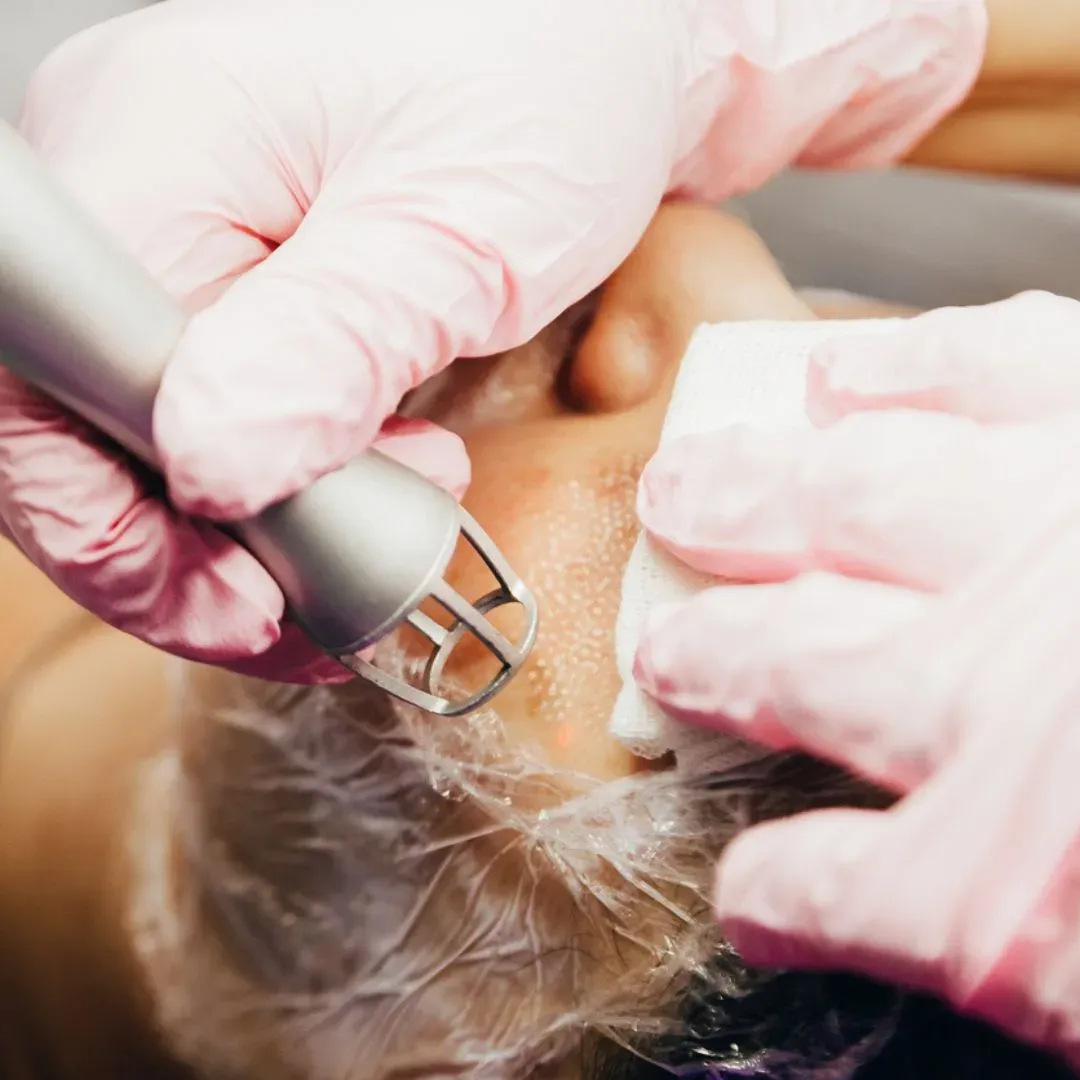


Fractional firming is a non-invasive skin tightening procedure that employs radio-frequency energy to stimulate collagen production, resulting in improved skin texture, reduced fine lines and wrinkles, and enhanced skin firmness.
Individuals wanting to address loose or sagging skin, fine lines, and wrinkles or looking to improve the contours of the face, body, and neck without undergoing surgery may consider fractional firming.
Fractional firming suits people with mild to moderate skin looseness or uneven texture who want a non-surgical option, and it can be used on most skin types because radiofrequency heats tissue rather than targeting pigment. The best candidates still have some skin elasticity and are willing to complete a course of sessions rather than expecting one visit to do the work. It is not a substitute for surgery where there is a significant amount of loose skin, and it does little for deep static wrinkles. If your main concern is surface texture, scarring or sun damage rather than firmness, laser skin resurfacing targets that directly and may be the better starting point.
Fractional firming treatments are versatile and can target different areas where skin tightening, contouring, and firming are desired, including but not limited to:
Face
Chest
Abdomen
Thighs
Buttocks
Fractional firming begins with a consultation to assess suitability, followed by the application of controlled radiofrequency (RF) energy using a handheld device. This energy heats the skin’s layers, causing collagen fibers to contract for immediate tightening while stimulating the production of new collagen over time.
The duration of fractional firming treatments ranges from approximately thirty minutes to an hour, depending on the size of the treatment area.
There is no significant recovery time associated with fractional firming. Some redness and warmth may occur immediately after treatment but usually dissipate within an hour. Normal activities can be resumed immediately.
Shortly after fractional firming treatment, patients often notice improvements in skin texture, fine lines, and skin tightness shortly. However, optimal results may develop gradually as collagen production continues.
Results from fractional firming treatments are long-lasting, but maintenance sessions may be recommended to sustain the benefits over time. The duration of effects can vary based on individual factors.
The cost of fractional firming treatments varies depending on factors such as the treatment area and the number of sessions required. In Canada, the cost of fractional firming treatments can range from approximately $250 to $1,800 per session.
Fractional firming is well tolerated, but it is a heat-based treatment and it does carry risks worth knowing before you book. Redness, swelling and a temporary sandpaper texture in the treated area are expected for a few days rather than rare, and small crusts can form where the energy entered the skin. Temporary darkening of the treated skin, known as post-inflammatory hyperpigmentation, is the most common unwanted effect and is more likely in deeper skin tones; it typically fades over several weeks and is reduced by strict sun protection. Burns, blistering and scarring are uncommon and depend largely on the settings used and the experience of the operator, which is the practical reason to choose a provider who treats your skin type regularly. Tell your provider about any history of cold sores, keloid scarring, recent isotretinoin use or an implanted electronic device such as a pacemaker, since each of these changes the plan.
 English English
  French


